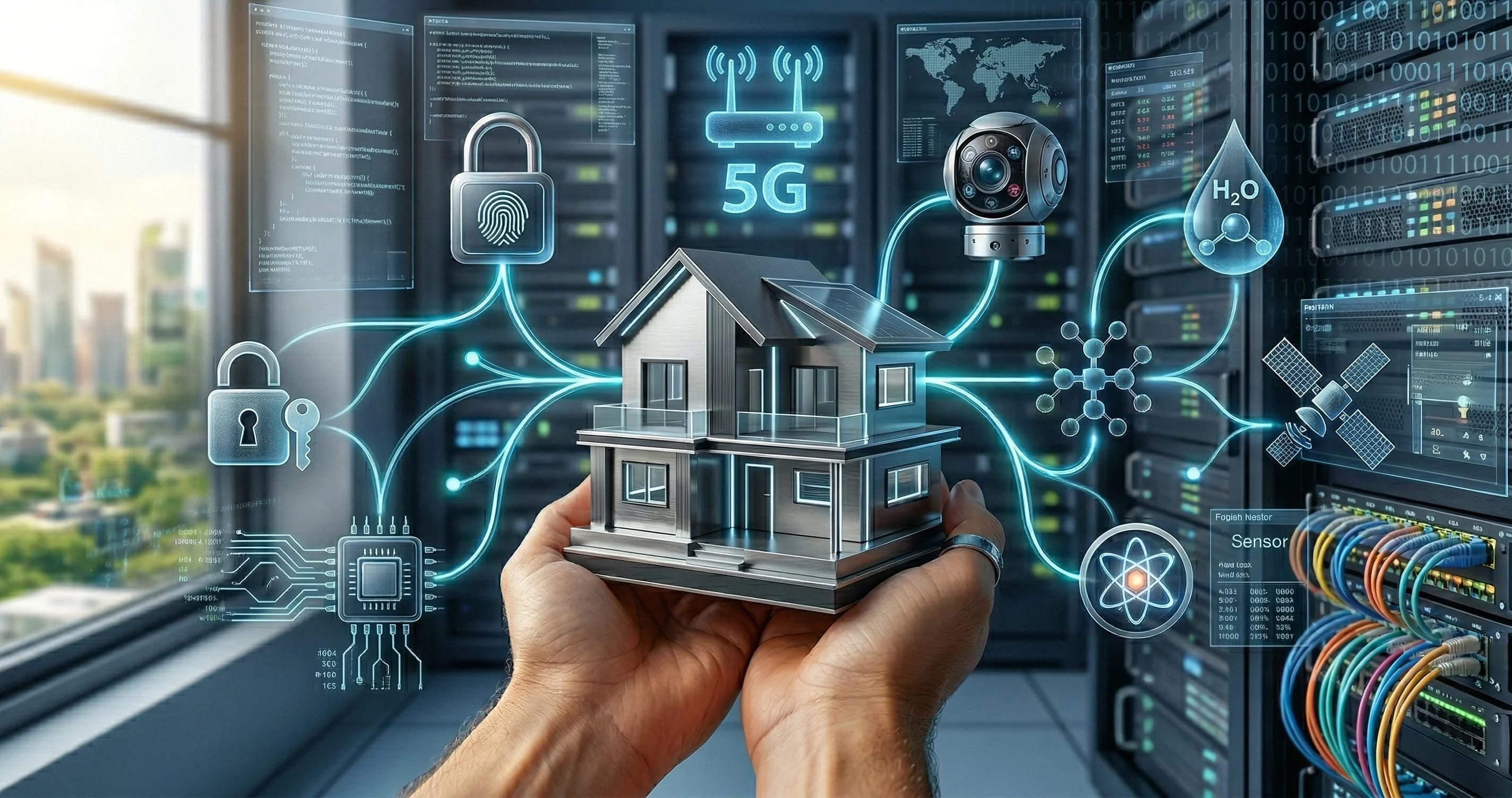
Why Integrating Smart Technology in Homes Is Transforming Real Estate Markets Around the World
Date: 10-04-2026
Integrating smart technology into residential properties is reshaping global real estate markets by directly influencing property value buyer expectations and long term operational efficiency. The shift occurs because homes equipped with intelligent systems deliver measurable advantages reduced energy consumption enhanced safety and higher levels of automation that appeal to both investors and end users. These advantages translate into faster sales cycles and increased demand for digitally optimized living spaces creating visible market wide changes.
The transformation is driven by the way smart systems interact with daily living streamlining household functions optimizing energy use and providing data driven insights that improve long term property performance. This content unpacks the underlying mechanisms shaping this shift supported by market statistics technical clarity and field tested experience. The intent is to help decision makers understand technology adoption without promotional influence.
How Smart Home Technology Alters Market Dynamics
Smart features change consumer expectations at a fundamental level. Properties with automation systems are perceived as future ready which increases their desirability in competitive markets. A 2024 Statista report indicates that over 69 percent of modern homebuyers globally prefer properties with pre installed smart systems showing a noticeable shift in demand patterns. Another study by the International Energy Agency highlights that smart energy managed homes reduce electricity consumption by 10 to 15 percent directly impacting operational efficiency.
The Core Drivers Behind the Market Shift
Smart systems affect market behaviour through several mechanisms:
- Performance transparency: Automated monitoring offers buyers clear insight into energy security and system usage.
- Operational convenience: Voice controlled and app based systems streamline routine household management.
- Enhanced resilience: Predictive maintenance alerts reduce long term repair risks.
Where Smart Technology Creates the Biggest Impact
Energy efficiency systems
Energy controlled appliances automated thermostats and intelligent lighting directly reduce consumption. These systems have become core differentiators in regions where utilities represent long term operational burdens.
Security and safety enhancements
Sensors access control systems and real time surveillance offer more than convenience they support data verified safety improvements. Such features influence property values especially in urban markets with higher population density.
Everyday operational automation
Homeowners gain continuous insight into home performance from water usage to appliance health. These operational data points shape long term living standards and inform maintenance decisions.
Market Relevant Comparison of Smart Home Categories
Functional Differences Between Common Smart Home Technologies
| Smart Home Category | Primary Function | User Impact | Market Influence |
|---|---|---|---|
| Smart Lighting Systems | Automated brightness motion sensing | Lower energy waste and improved ambiance | High influence in energy sensitive regions |
| Smart Thermostats | Temperature optimization | Reduced cooling heating load | Strong impact in warm climates due to energy savings |
| Smart Security Solutions | Monitoring surveillance access control | Higher safety visibility | High demand in metropolitan real estate |
| Smart Appliances | Automated operation diagnostics | Convenient daily living | Medium influence unless fully integrated |
Technical Specifications of Common Smart Technologies
Key Technical Attributes Affecting Property Decisions
| Technology Type | Connectivity Standard | Average Response Time | Energy Impact | Additional Notes |
|---|---|---|---|---|
| Smart Lighting | Zigbee and Wi Fi | 0.5 to 1 sec | Low consumption | Compatible with most home hubs |
| Smart Thermostat | Wi Fi and Bluetooth | 1 to 3 sec | 10 to 15 percent energy savings | Requires HVAC compatibility |
| Smart Cameras | Wi Fi | 1 to 2 sec | Medium | Cloud storage may be required |
| Smart Home Hub | Multi protocol | Instant to 1 sec | Neutral | Bridges all devices into one ecosystem |
Essential Factors Before Adopting Smart Home Technology
Decision makers should evaluate several criteria before integrating intelligent systems:
- Infrastructure readiness: Assess wiring network strength and space for hubs or sensors.
- Data privacy: Understand how the device stores encrypts and transfers data.
- Scalability: Choose systems that allow incremental upgrades without system replacements.
- Environmental conditions: High humidity or high heat locations may require weather resistant sensors.
- Long term maintenance: Determine firmware update frequency and device support timelines.
Services That Support Smart Enabled Property Planning
These services complement decision making for smart integrated real estate planning and long term compliance:
- Compliance Services: Support for regulatory alignment when integrating digital systems into properties especially those involving surveillance or data driven devices.
- Operational Services: Assistance with planning organizing and managing property related administrative functions influenced by technology adoption.
- Legal Services: Guidance on device linked privacy obligations data management rules and technology related property documentation.
- PR Services: Support for stakeholder communication when introducing technology enhanced features in large developments.
Final Thoughts on Smart Technology in Real Estate
Smart systems are altering global real estate markets by changing how properties perform operate and deliver long term value. The shift is driven by automation efficiency and data driven insights that influence both buyer decisions and investor strategies. Adopting the right technologies requires evaluating infrastructure environment and long term usability to ensure sustainable integration.